%2Ffit-in%2F250x250%2Fguide_websites%2F56539%2Fimages%2F1764732158338540509307_122175264056573549_2171748068502630032_n.jpg&w=1200&q=100)
/users/8cd5509f-7f1d-4997-8eb7-9f82ed0fda86/ratecard/tarpon-mio6zn6d.jpg)
%2F300x300%2Fusers%2F8cd5509f-7f1d-4997-8eb7-9f82ed0fda86%2Fratecard%2Ftarpon-mio6zn6d.jpg&w=256&q=75)
%2F300x300%2Fusers%2F8cd5509f-7f1d-4997-8eb7-9f82ed0fda86%2Fimages%2Fspotted-weakfish-caught-in-florida-2689.jpg&w=256&q=75)
%2F300x300%2Fusers%2F8cd5509f-7f1d-4997-8eb7-9f82ed0fda86%2Fimages%2Fredfish-fishing-florida-2601.jpg&w=256&q=75)
%2F300x300%2Fusers%2F8cd5509f-7f1d-4997-8eb7-9f82ed0fda86%2Fimages%2Fredfish-florida-fishing-2565.jpg&w=256&q=75)
%2F300x300%2Fusers%2F8cd5509f-7f1d-4997-8eb7-9f82ed0fda86%2Fimages%2Fgreat-fishing-tallahassee-2580.jpg&w=256&q=75)
%2F300x300%2Fusers%2F8cd5509f-7f1d-4997-8eb7-9f82ed0fda86%2Fimages%2Fanglers-fishing-tallahassee-2539.jpg&w=256&q=75)
%2F300x300%2Fusers%2F8cd5509f-7f1d-4997-8eb7-9f82ed0fda86%2Fimages%2Ffishing-fun-in-florida-2516.jpg&w=256&q=75)
%2F300x300%2Fusers%2F8cd5509f-7f1d-4997-8eb7-9f82ed0fda86%2Fimages%2Fthrilling-fl-fishing-adventure-2599.jpg&w=256&q=75)
%2F300x300%2Fusers%2F8cd5509f-7f1d-4997-8eb7-9f82ed0fda86%2Fimages%2Ftallahassee-fishing-adventure-2693.jpg&w=256&q=75)
%2F300x300%2Fusers%2F8cd5509f-7f1d-4997-8eb7-9f82ed0fda86%2Fimages%2Flane-snapper-caught-florida-2763.jpg&w=256&q=75)
%2F300x300%2Fusers%2F8cd5509f-7f1d-4997-8eb7-9f82ed0fda86%2Fimages%2Fanglers-fishing-florida-2571.jpg&w=256&q=75)
Cobia & Tarpon Fishing Trip in Crawfordville
What you will be catching:
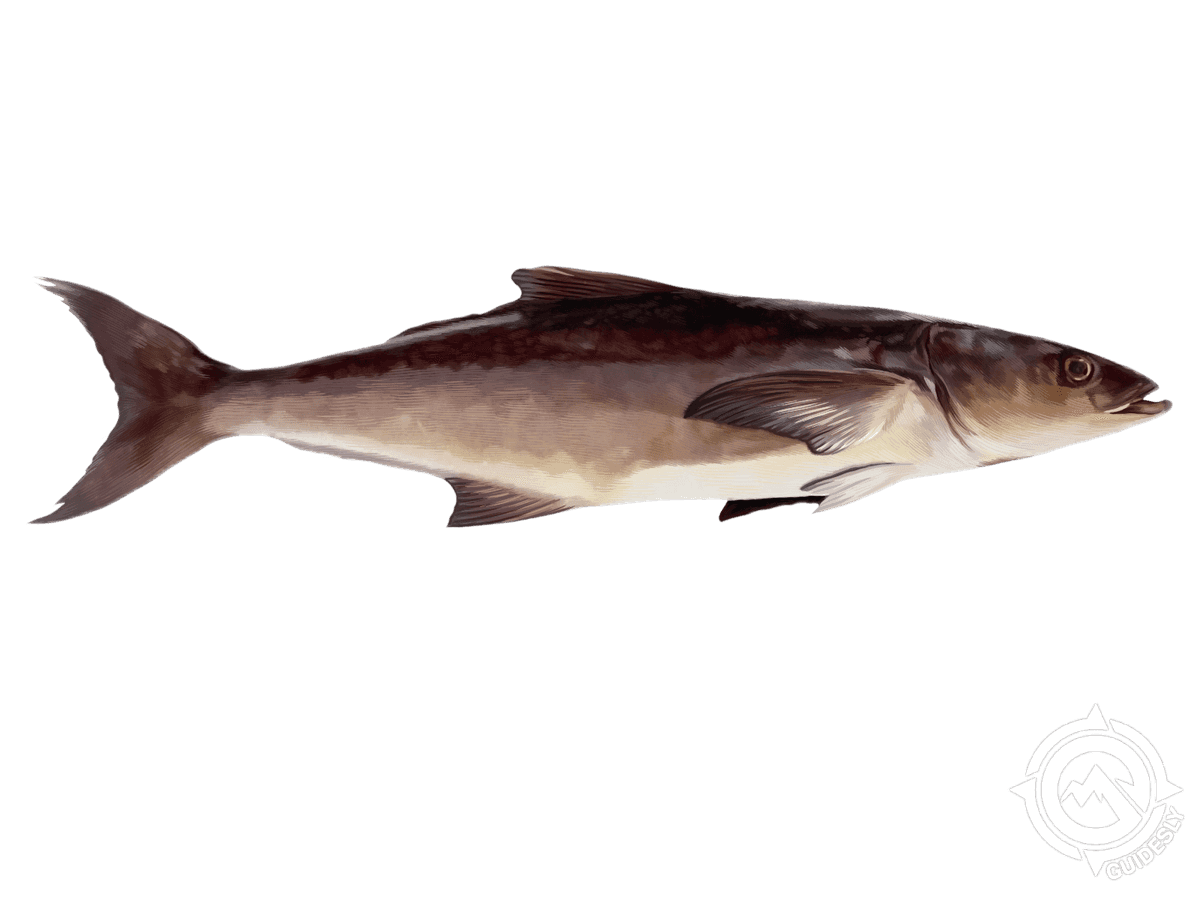
 Cobia
Cobia Tarpon
- Four-hour Cobia and Tarpon fishing in Apalachee Bay waters
- Complete package includes gear, live bait, drinks, and ice provided
- Morning and afternoon departures accommodate up to four anglers
Trip Pricing and Availabilities:
Trip pricing information is temporarily unavailable.
Reel in Cobia and Tarpon on Florida's Gulf Coast
Get ready to tangle with some of Florida's most prized gamefish on this half-day adventure with Apalachee Bay Inshore Charters. Captain Timothy Glover knows these waters like the back of his hand and he's itching to put you on some monster cobia and tarpon. From May through July, these bruisers move into the shallows, giving anglers a shot at the catch of a lifetime. Whether you're a seasoned pro or it's your first time wetting a line, this trip's got something for everyone. We'll cruise the flats and channels of Apalachee Bay, hunting for rolling tarpon and cruising cobia. With all the gear provided and plenty of cold drinks on board, all you need to bring is your game face and a willingness to learn.
What to Expect on the Water
We'll meet up bright and early at the dock in Crawfordville, just a stone's throw from some of the best fishing grounds on Florida's Forgotten Coast. Captain Tim will have the boat loaded and ready to roll, so after a quick safety briefing, we'll be on our way. The beauty of inshore fishing is you don't have to run far to find the action. We might start by sight-fishing the flats for cobia, scanning the water for their distinctive brown shapes. Or, if the tarpon are rolling, we'll set up shop and wait for these silver kings to give us a shot. Either way, be ready for some serious pull when these beasts take the bait. The captain's got a few tricks up his sleeve, from live bait tactics to artificial lures that drive the fish wild. And don't worry if you're new to this – he'll walk you through every step, from setting the hook to landing your prize.
Gear and Techniques
We're not messing around when it comes to tackling these bruisers. For cobia, we'll be using stout spinning rods paired with reels spooled with 30-50 lb braid. Tarpon require even heavier gear – think 80 lb braid on beefy conventional setups. Live bait's the name of the game most days, with frisky pinfish, mullet, or blue crabs doing the trick. But don't be surprised if the captain breaks out some gnarly-looking artificials too. Sight-fishing for cobia is a blast – we'll cruise along, everyone's eyes peeled for that telltale brown shape. When we spot one, it's all about a precise cast and a natural presentation. Tarpon fishing's a different animal. We might set up on a channel edge, freeline some baits, and wait for the chaos to ensue. Either way, when that rod doubles over, you better hang on tight!
Species You'll Want to Hook
Cobia, aka "ling" or "lemonfish," are the bulldogs of the ocean. These brown bruisers can tip the scales at over 100 pounds, and they've got an attitude to match. They love to hang around structure, from buoys to wrecks, and they're suckers for a well-presented live bait. Cobia are famous for their long, powerful runs and their tendency to go ballistic boat-side. The meat's top-notch too – firm, white, and perfect for the grill. May and June are prime time for cobia in these parts, as they migrate along the coast.
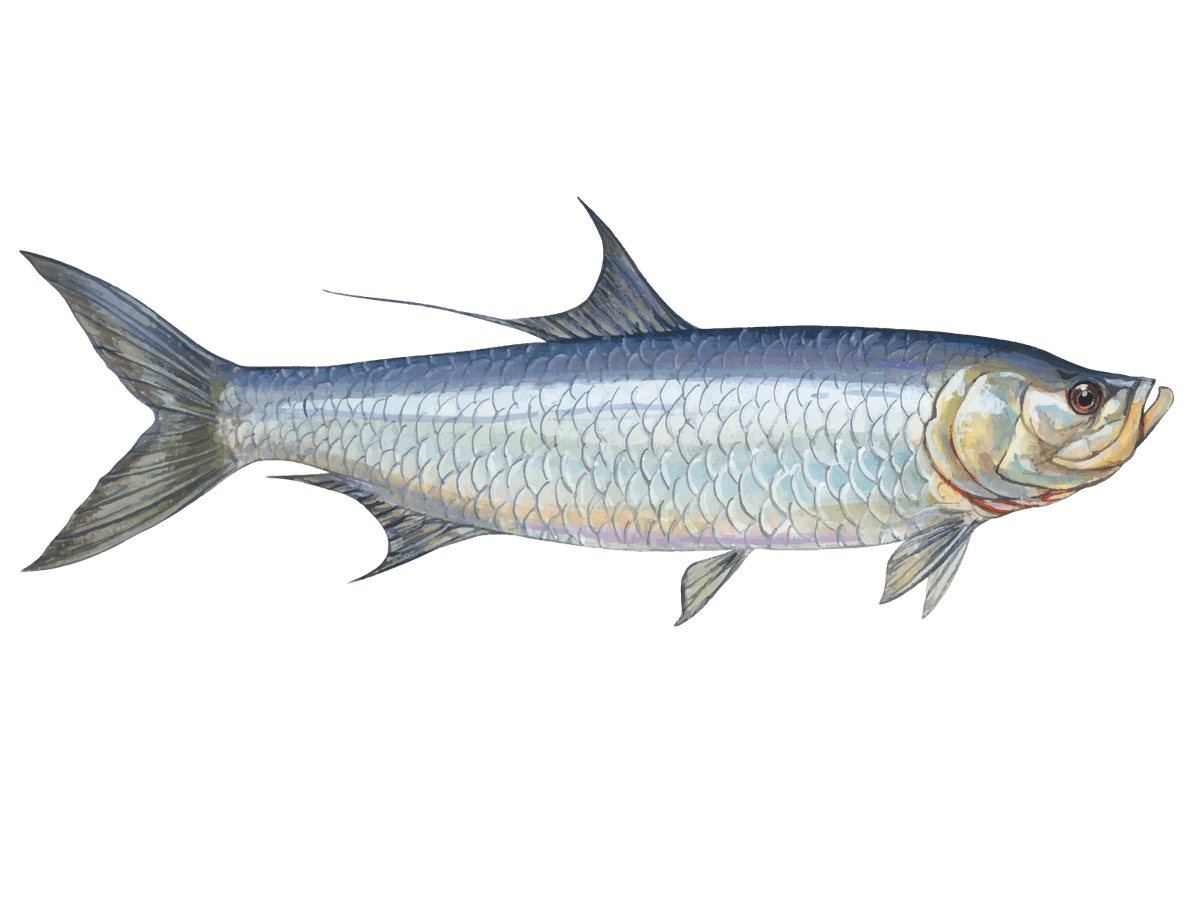
Tarpon, the "silver king," is the ultimate gamefish for many anglers. These prehistoric beasts can grow over 200 pounds, and they're famous for their gill-rattling jumps and blistering runs. Hooking a tarpon is one thing – landing one's a whole different ballgame. They've got bony mouths that make setting the hook tricky, and their acrobatics mean you'll lose more than you land. But that's part of the allure. The challenge of battling a tarpon is what keeps anglers coming back year after year. In Apalachee Bay, we start seeing good numbers of tarpon in late May, with the action peaking in June and July.
Why Anglers Keep Coming Back
There's something special about fishing these waters that keeps folks coming back for more. Maybe it's the heart-stopping moment when a hundred-pound tarpon goes airborne, or the satisfaction of spotting a cobia from a hundred yards out and making the perfect cast. Could be the laid-back vibe of the Forgotten Coast, where time seems to slow down and the only thing that matters is the tug on the end of your line. Or maybe it's just the chance to spend a morning on the water with Captain Tim, soaking up his years of local knowledge and hearing his fish tales (some of which might even be true). Whatever it is, one trip is rarely enough. These waters have a way of getting under your skin, calling you back season after season.
Time to Book Your Spot
Look, if you're itching for a shot at some of Florida's hardest-fighting fish, this is your chance. Captain Tim's got the know-how, the gear, and the spot-on local intel to put you on the fish. Whether you're dreaming of your first tarpon or you're looking to add a trophy cobia to your list, this trip's got you covered. With only four spots per trip, these charters fill up fast, especially during peak season. So don't sit on the fence – grab your fishing buddies, pick a date, and let's get you hooked up with some silver kings and brown bombers. The fish are waiting, and the bite's hot. Time to get out there and make some memories!
Learn more about the animals
Cobia
Cobia are big, powerful fish that'll give you a real run for your money. These solitary swimmers can reach 6 feet and 100 pounds, often mistaken for sharks due to their single dorsal fin. You'll find them around reefs, wrecks, and buoys in 30-70 feet of water during spawning season from May to July. They're aggressive predators, mainly going after crustaceans but also smaller fish. Anglers love targeting cobia for their fight and excellent table fare - the meat is firm with a great flavor. When you're out there, keep an eye on the surface. Sight fishing is key, as these guys like to hang just below or right on top of the water. My go-to lure? A bucktail jig in the 4-8 oz range. Color doesn't matter much, so experiment with what works that day.
Tarpon
Tarpon are the acrobats of the sea, known for their spectacular leaps and powerful runs. These silver giants can hit 8 feet long and 280 pounds, though most you'll encounter are in the 4-foot, 80-100 pound range. They're migratory, showing up in our waters from May through July. Look for them in shallow coastal areas, estuaries, and even up in brackish rivers. Tarpon put up an incredible fight, making them a bucket-list catch for many anglers. They're not great eating, so we practice catch-and-release to keep the population healthy. When you hook one, be ready for those famous jumps - they can clear 10 feet out of the water! A local trick: use a 5000-7000 size spinning reel with medium-weight rod, and try live bait like pinfish or mullet. Keep your drag smooth and be patient - landing a tarpon is all about endurance.
About the Apalachee Bay Inshore Charters
%2F%2Fusers%2F8cd5509f-7f1d-4997-8eb7-9f82ed0fda86%2Fvehicle_picture%2F561156527_25476046401981834_2326572258515715896_n-mio66vnw.jpg&w=1200&q=75)
Vehicle Guest Capacity: 4
Manufacturer Name: Yamaha
Maximum Cruising Speed: 22
Number of Engines: 1
Horsepower per Engine: 150